
Webinars
Learn from Subject Matter Experts
AEM's webinar sessions offer valuable insights on a diverse range of industry-relevant topics, providing a fantastic opportunity to deepen your understanding and discover new trends in technology.
Don't miss out on opportunities to learn directly from AEM subject matter experts!
Upcoming Webinars
Addressing Performance and Reliability Challenges in Next-Generation Space Communication Systems with Advanced RF Component and Assembly Architectures

Next-generation commercial and defense space communication systems face increasing challenges related to bandwidth demands, power handling, isolation, integration density, and long-term reliability in harsh space environments. Operating across Ku-, Ka-, and millimeter-wave bands, modern satellite constellations and defense communication architectures require RF solutions that can withstand vacuum conditions, thermal cycling, radiation exposure, and high-power operation while maintaining consistent electrical performance.
This seminar explores how advanced RF components and integrated assembly architectures help solve these challenges through optimized design, precision manufacturing, and qualification strategies. Key RF building blocks including filters, multiplexers, diplexers, circulators, isolators, switches, and amplifiers are examined with a focus on improving insertion loss, isolation, linearity, reliability, and overall system performance. The discussion also highlights solutions for reducing size, weight, and power through multifunction integration, advanced materials, additive manufacturing, and robust assembly techniques. Qualification methods including thermal vacuum, vibration, and high-power RF testing are addressed to demonstrate how next-generation RF technologies are enabling more reliable and higher-performing space communication systems.
Led by Renaissance Electronics
Solutions for Space Constrained Designs Utilizing Discrete Semiconductor Die
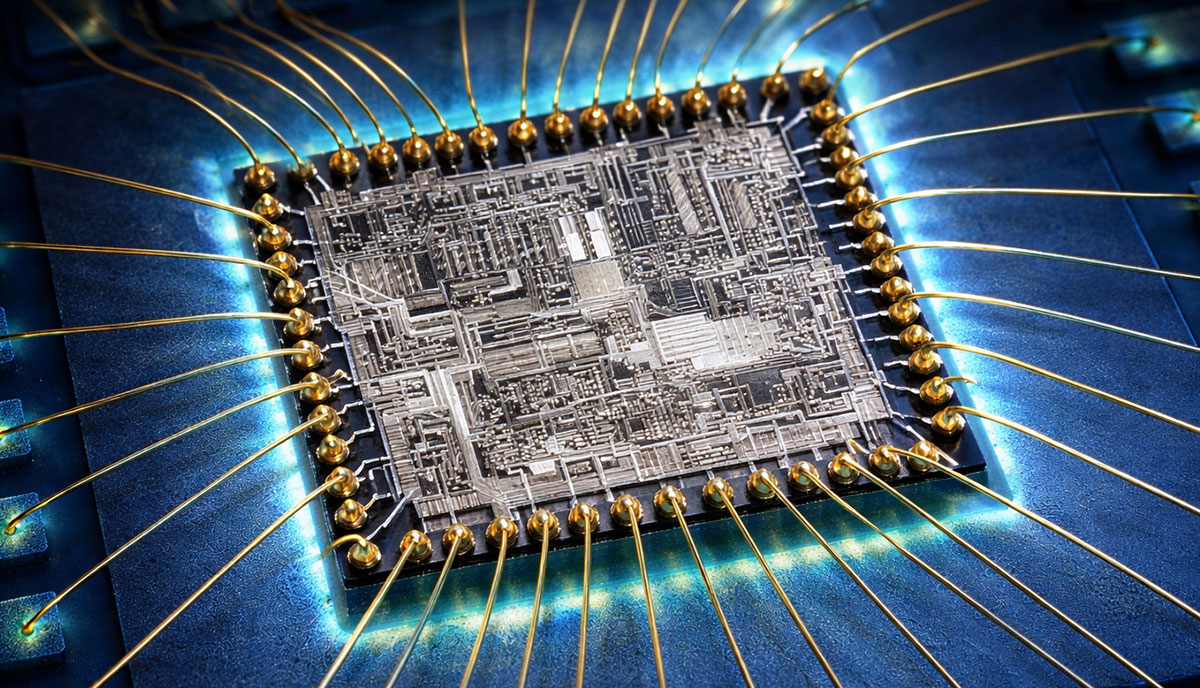
This Webinar will explore fundamental design considerations when using bare die, including how to properly determine the power capability of a component when using it as bare die, how to wire bond or clip attach to the die, and potential thermal constraints that must be considered.
We will explore possible metallization stacks, both topside and backside, that are used for various die attach methods and wire bonding. This will also include a discussion of different wire bond materials, and their optimal compatibilities with top metallization materials.
Webinar attendees will learn to:
- Select the correct bare die technology and understand available assembly options.
- Evaluate different levels of up-screening and customized testing.
- Use a bare die to solve design challenges
Scaling Quantum Systems: Precise RF Generation, Control, and Readout for Higher Fidelity
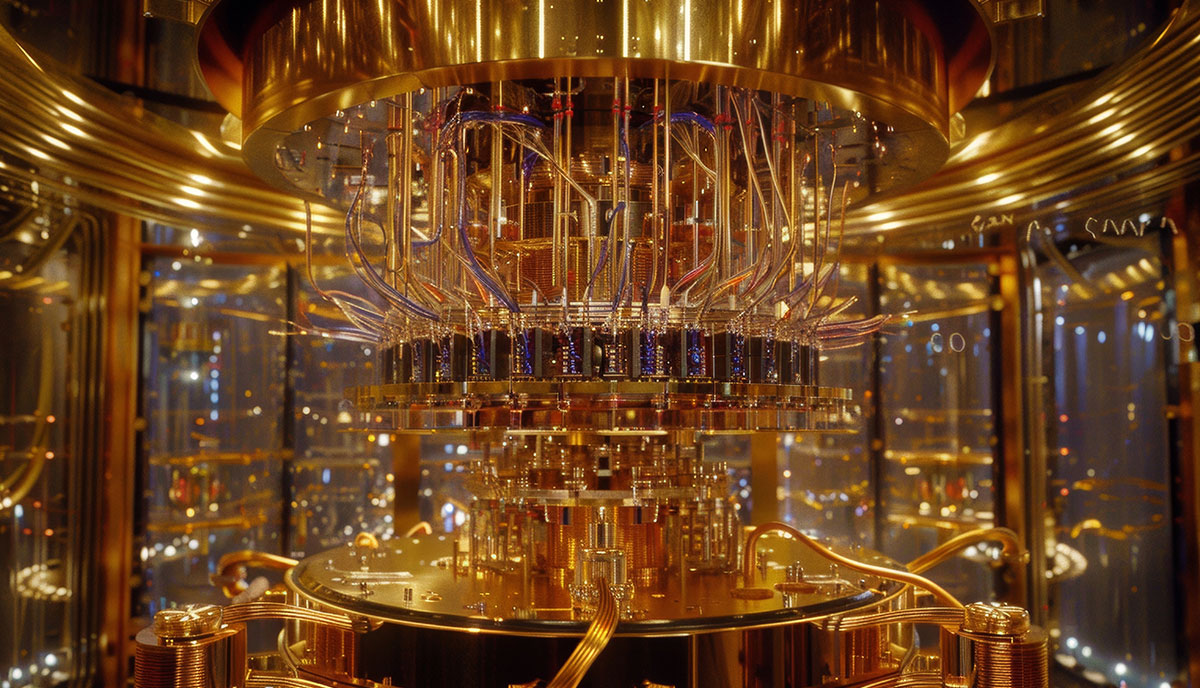
For engineers, the path to practical quantum computing is currently constrained by hardware limitations. This 60-minute webinar addresses the critical scaling challenges across superconducting, trapped-ion, neutral-atom, photonic, and spin-qubit architectures. We will examine the specialized RF solutions required for precise qubit control, readout, and signal routing, specifically focusing on components that maintain bandwidth and stability over extreme temperature swings.
Attendees will learn how to select and implement RF hardware that meets stringent size and performance requirements for large-scale systems. This session will provide a framework for improving system speed, fidelity, and accuracy through optimized signal paths, ensuring your RF infrastructure can support the next generation of quantum computing.
Led by Renaissance Electronics
Recent Webinars
RF Circuits for Superconducting Qubits: The Microwave Foundation of Quantum Computing
This in-depth webinar exploring the critical role of RF circuit design in quantum computing systems. This session will cover the unique requirements of quantum hardware, including cryogenic operation, low-noise amplification, and high-fidelity signal control.
We will discuss design strategies for qubit readout and control, the challenges of integrating RF components at millikelvin temperatures, and recent advancements in quantum-compatible RF technologies. Ideal for engineers, researchers, and professionals working at the intersection of RF and quantum technologies.
Led by Renaissance Electronics
Advancing EV Charging Infrastructure with 1700V SiC MOSFET Technology
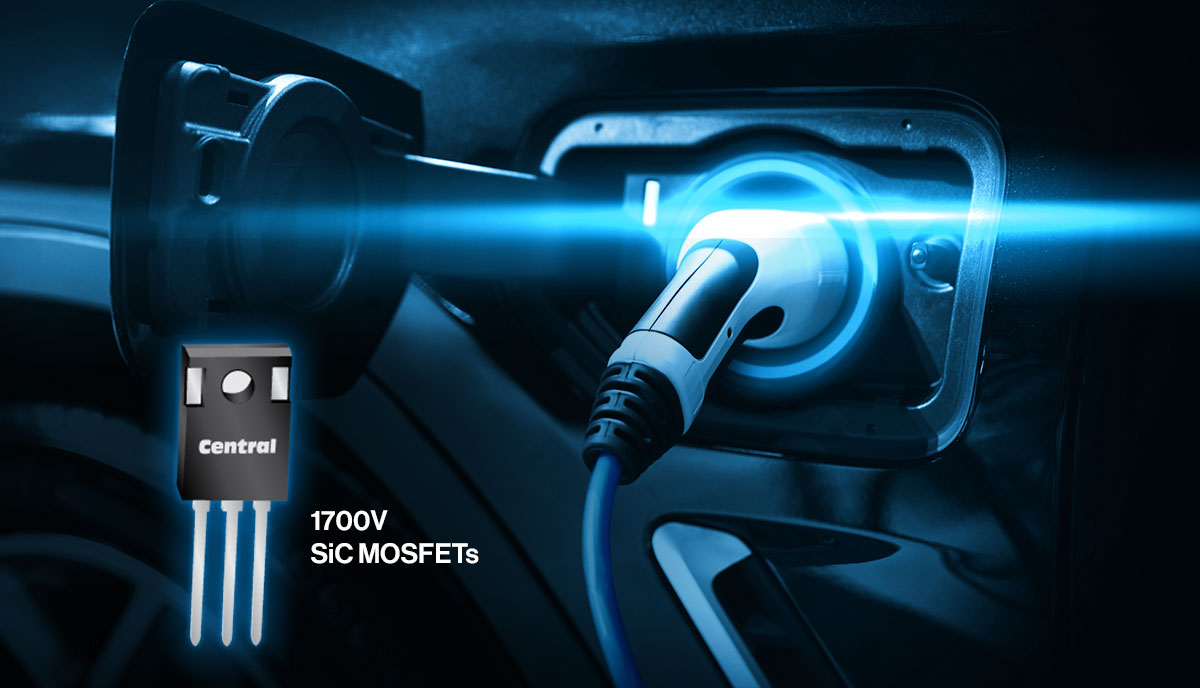
As electric vehicle (EV) adoption accelerates, the demand for efficient, compact, and thermally robust charging infrastructure continues to grow. This webinar explores how 1700V Silicon Carbide (SiC) MOSFETs are enabling a new generation of high-performance EV power systems.
Attendees will gain insight into how these devices enhance the entire EV power chain. On-board chargers benefit from higher bus-voltage headroom and reduced cooling requirements; off-board fast chargers leverage high switching frequencies and multi-level converter support for greater power density; DC-DC converters achieve better efficiency with ZVS/ZCS topologies and smaller form factors; and traction inverters support 1000V+ battery systems while reducing switching and conduction losses.
With data-driven performance curves and real-world application scenarios, this session will illustrate how 1700V SiC MOSFETs are pushing the boundaries of energy efficiency, design flexibility, and system reliability for next-generation electric mobility.
Led by Central Semiconductor
The Efficiency of GaN FETs in Switching and Power Conversion Applications
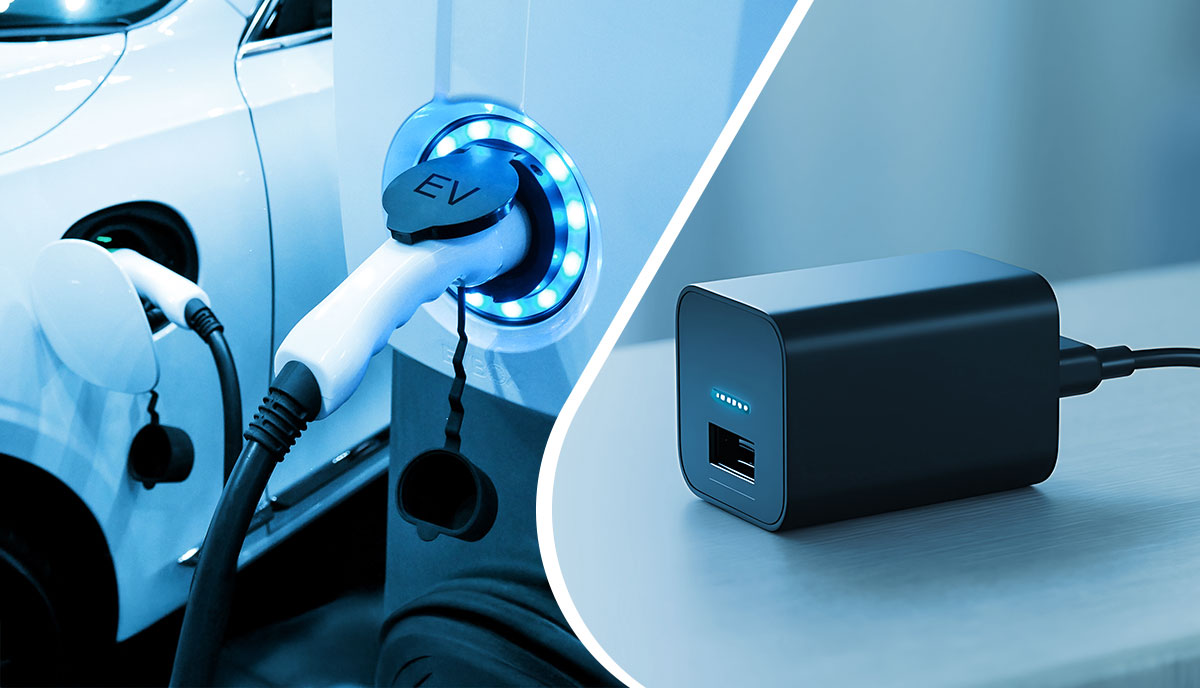
Gallium nitride field effect transistors (GaN FETs) are emerging as the go-to technology for high power and high frequency switching applications. Features innate to their design allow for superior conductive properties, translating to lower gate charge, faster switching times, and increased system efficiency.
We will discuss the material principles that enable GaN's high charge carrier mobility and review experimental evidence of the benefits gained from implementing GaN over traditional silicon MOSFET technology. Additionally, we will discuss the application topologies that can be strengthened by implementing GaN FETs, and special considerations to take into account when designing with GaN.
By the end of this webinar, participants will be able to:
- Understand the fundamental working principles of GaN FETs.
- Understand the functional benefits of using GaN FETs versus silicon MOSFETs.
- See applications where GaN is best implemented.
Led by Central Semiconductor
RF Circuits for Quantum Computing
This in-depth webinar explored the critical role of RF circuit design in quantum computing systems, covering the unique requirements of quantum hardware, including cryogenic operation, low-noise amplification, and high-fidelity signal control.
We discussed design strategies for qubit readout and control, the challenges of integrating RF components at millikelvin temperatures, and recent advancements in quantum-compatible RF technologies.
Led by Renaissance Electronics
Tin Whisker Mitigation Using the Electroplating Sn/Pb Method
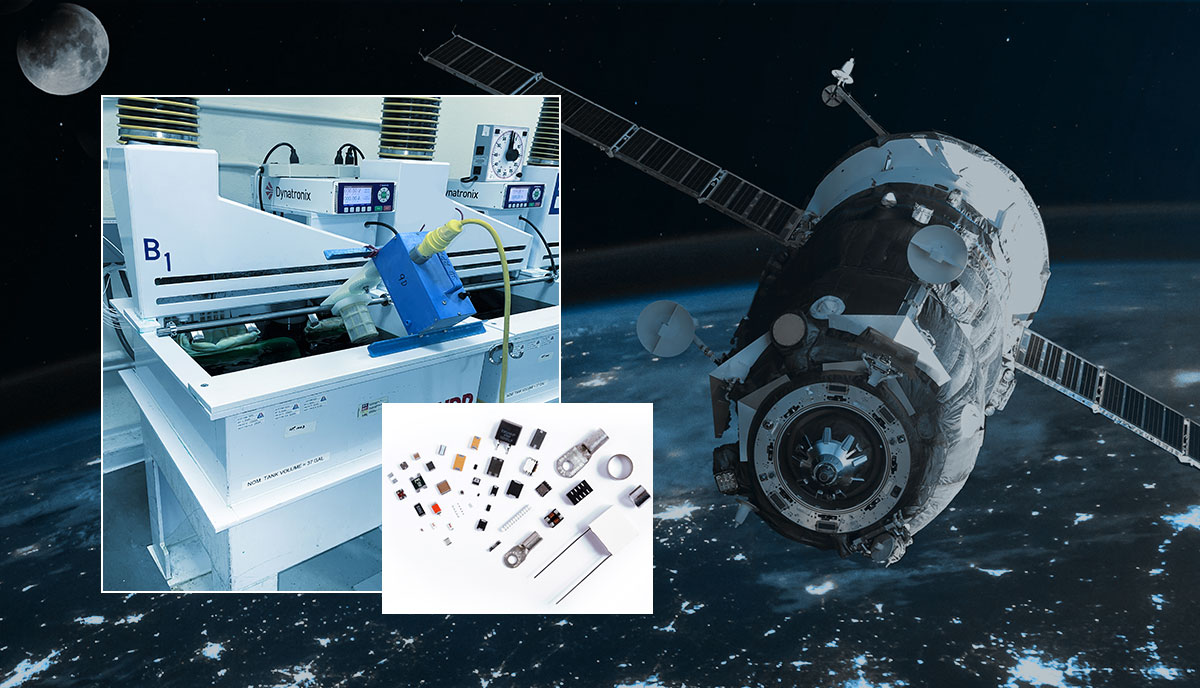
This presentation explored the benefits of Tin Whisker Mitigation utilizing the Electroplating Sn/Pb Method.
We spent time reviewing the reliability concerns related to Sn whisker growth when COTs RoHS components are involved and addressed the advantages Sn/Pb Plating verses Robotic Hot Solder Dipping. Lastly, we covered the challenges associated with Sn/Pb electroplating given the wide range of surface mount component package types.
Led by AEM Hi-Rel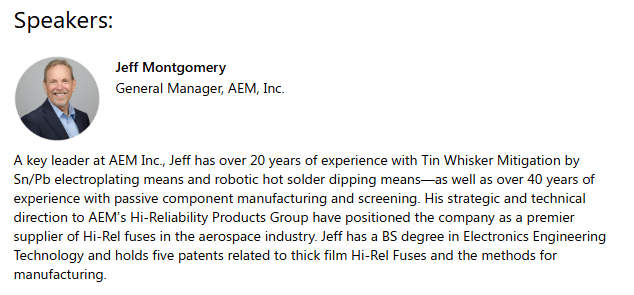

Enhance Your Designs with Current Regulating Devices

This presentation explored the benefits of current regulator or current limiting diodes and their applications while providing a better understand of current regulation overall.
We reviewed the latest in zero temperature coefficient technologies geared to provide greater stability over temperature. Additionally, we reviewed how applications like LED lighting circuits can be improved utilizing current regulation.
Led by Central Semiconductor